
Clinton Bishop CB logoClinton BishopBarons Councillor

Council guide

Where to start

A short guide for contacting me, using Village services, reading agendas, and following council decisions.

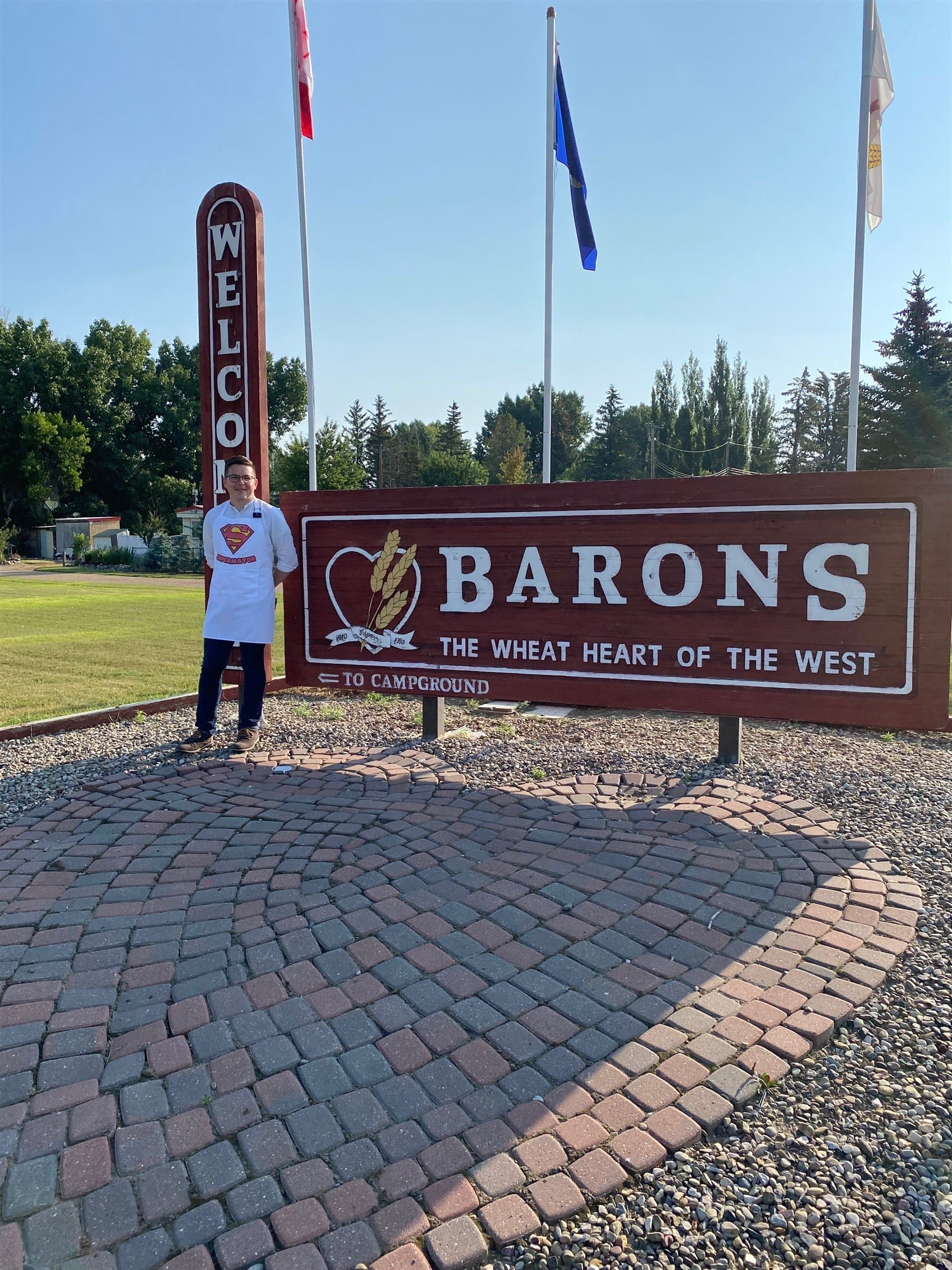
The Barons welcome sign.

Who should I contact?

Contact Clinton

Use this when you want to talk about council work.

  • You have an idea for council to consider.
  • You have a question about how I voted.
  • You want to share a concern about a policy, bylaw, budget item, or council decision.
  • You want help understanding where an issue fits.
Send me a note

Contact the Village Office

Use this when you need Village records or services.

  • You need help with bills, permits, utilities, records, licences, or payments.
  • You want to file a complaint or service request.
  • You need forms, applications, minutes, bylaws, or services from the Village Office.
Village Office links

Messages to me are not Village service requests. Records and services remain with the Village of Barons.

How council decisions happen

Most items move through a similar path.

  1. Step 1Issue raised
  2. Step 2Agenda prepared
  3. Step 3Agenda posted
  4. Step 4Residents respond
  5. Step 5Council discusses
  6. Step 6Council decides
  7. Step 7Record and follow-up
  1. 1. Issue raised

    An item may come from council, administration, residents, a bylaw, the budget, or a previous council direction.

  2. 2. Agenda prepared

    Background information, options, costs, recommendations, and attachments may be prepared before the item goes to council.

  3. 3. Agenda posted

    Residents can see what council is being asked to discuss or decide.

  4. 4. Residents respond

    Residents can contact councillors, attend the meeting, or ask the Village Office how to appear before council.

  5. 5. Council discusses

    Council may ask questions, debate, amend a motion, request more information, or defer the item.

  6. 6. Council decides

    Council votes on motions. A motion may pass, fail, be amended, be deferred, or be received for information.

  7. 7. Record and follow-up

    Approved minutes become the official record. If action is needed, administration carries out council's direction.

Not every agenda item ends in a final decision. Some items are for information, some are deferred, and some require more work before council votes.

How to read an agenda

Start with the item title, then look for the background, recommendation, financial impact, and attachments.

Council agendas and minutes

Quick checklist

  • What decision is council being asked to make?
  • What background information is included?
  • Is there a cost, recommendation, or deadline?
  • What attachments support the item?
  • What questions are still unanswered?

What councillors can do

Councillors can

  • Listen to residents.
  • Ask questions in public.
  • Explain how and why they voted.
  • Bring concerns forward through the council process.
  • Vote on motions at council meetings.

Councillors cannot do alone

  • Direct Village staff.
  • Approve permits or applications alone.
  • Replace Village records or complaint processes.
  • Promise that every concern will come to council.
  • Make decisions outside of council meetings.

Use these links for Village records, services, and forms.